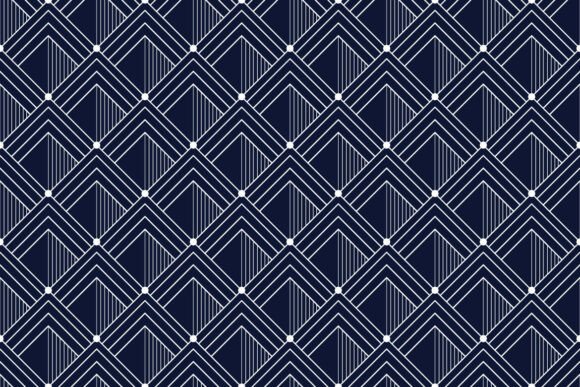
3D Geometric Line Seamless Pattern: Design Power with Precision
Modern design often hinges on the balance between simplicity and visual impact. The 3D Geometric Line Seamless Pattern delivers exactly that—an elegant fusion of clean lines, dimensional depth, and repeatable structure that works across a wide variety of applications. Whether you're designing a website background, packaging, or home décor, this pattern offers flexibility without sacrificing style.
What Makes the 3D Geometric Line Seamless Pattern Unique?
At its core, this pattern is built from abstract, linear shapes arranged in a repeating geometric layout. The “3D” aspect comes from the illusion of depth created through line weight, perspective, and layering—giving the design a modern, dynamic feel. Because it's seamless, it can be tiled infinitely without visible seams, ensuring a polished look regardless of scale.
Its versatility makes it a favorite among designers, entrepreneurs, and DIY creators. From digital art to fabric prints, this pattern adapts easily to both small-scale and large-format projects. However, its power lies not just in aesthetics, but in how it’s used effectively.
1. Overlooking Scale and Resolution
One of the most common issues occurs when users apply the pattern at a size or resolution that doesn't match the intended output. For example, using a low-resolution version for large-format printing can result in pixelation or a blurry appearance. Similarly, scaling the pattern improperly in web design can distort the geometry and disrupt the visual harmony.
Better approach: Always check the pattern’s resolution and scalability. Vector formats (like SVG) are ideal for maintaining clarity at any size, while high-DPI raster files (like PNG or TIFF) work best for print. Test the pattern in your layout before finalizing.
2. Misjudging Color Compatibility
While the pattern itself may be monochrome or minimal, its effectiveness can be undermined when paired with incompatible color schemes. Some users assume the pattern will blend easily with any palette, only to find it clashes or becomes visually overwhelming.
Better approach: Preview the pattern in context. Use design tools that allow you to layer it with your chosen background or foreground colors. If needed, adjust the line color or opacity to better integrate with your design.
3. Ignoring Context and Application
This pattern works well in many settings, but not all. For instance, using it as a background for text-heavy pages can make content hard to read. Similarly, applying it to branding materials without considering brand tone may create a mismatch in visual messaging.
Better approach: Consider the function of your design. Is the pattern serving as a subtle texture or a bold statement? Use it where it enhances rather than distracts. For branding, ensure it aligns with your brand’s personality—modern, minimalist, or edgy.
How Mistakes Impact Results
When errors occur in selection or application, the consequences can range from aesthetic missteps to practical limitations. A poorly scaled pattern may not print correctly, costing time and materials. A visually overwhelming background can reduce user engagement on a website or app. In branding, mismatched design elements can confuse audiences and dilute brand identity.
These issues aren’t just cosmetic—they can affect how your audience perceives your work or product. A seamless pattern should enhance your design, not compromise it.
Key Checks Before Using a 3D Geometric Line Seamless Pattern
- Format: Confirm whether you're using a vector or raster file, and choose the one that best suits your output (print vs. digital).
- License: Make sure the pattern is free for commercial use or that you’ve purchased the appropriate license if using it for business or resale.
- Compatibility: Test the pattern in your design software to ensure it tiles correctly and maintains quality when scaled.
- Usage context: Think about how the pattern fits into your overall design system. Does it support your message, or does it compete with other elements?
Practical Uses and Smart Applications
The beauty of the 3D Geometric Line Seamless Pattern lies in its adaptability. Here are a few examples of smart, effective uses:
- Web and App Backgrounds: Use a light version of the pattern to add depth without distracting from content.
- Product Packaging: Apply it as a subtle texture on boxes or labels to elevate the perceived value of your product.
- Textile Design: Perfect for fabric prints where a modern, structured look is desired, such as apparel or home décor items.
- Digital Art and Scrapbooking: Ideal for layering in digital collages or printable DIY kits.
In each case, the key is balance. Don’t let the pattern overpower the main subject. Use it as a supporting element that enhances the overall composition.
Choosing the Right Source
When downloading or purchasing a 3D Geometric Line Seamless Pattern, always choose a reputable source. Look for providers that offer:
- Multiple file formats (SVG, PNG, JPEG, etc.)
- Clear licensing information
- High-resolution previews
- User reviews or sample applications
Some marketplaces bundle patterns with design kits or offer customization options, which can add more value for your investment.
Final Thoughts
The 3D Geometric Line Seamless Pattern is more than just a trendy design element—it's a practical tool that brings structure, modernity, and flexibility to your creative projects. By understanding its strengths and avoiding common pitfalls, you can ensure it enhances your work rather than complicates it.
Whether you're a seasoned designer or just starting out, taking the time to evaluate how and where you use this pattern can make a big difference in the final outcome. Use it thoughtfully, test it thoroughly, and enjoy the clean, dimensional style it brings to your designs.